Overview of Manual Bottle Filling Machines
Manual bottle filling machines are hand‑operated devices that transfer liquids into containers with precision. They feature a stainless‑steel hopper, a thickened piston for smooth flow, and adjustable volume controls, ensuring accurate, hygienic, cost‑effective filling for food and beverage applications.!!!
Advantages of Manual Filling Systems
Manual filling systems combine simplicity, flexibility, and cost‑efficiency, making them ideal for small‑scale producers and artisanal brands. Without complex automation, upfront capital and electrical infrastructure needs are minimal, allowing use in startups, pop‑ups, and remote sites. Operators gain direct tactile feedback: a hand‑piston or handheld filler delivers precise volume control, ensuring consistent batch sizes even with viscous or foamy liquids. Maintenance is straightforward; the stainless‑steel hopper and thickened piston disassemble easily for routine cleaning, preventing contamination and meeting food‑grade standards. Because the system is manually driven, downtime is low—replacing worn parts or refilling the hopper keeps production running without scheduled maintenance. Manual fillers adapt to a wide range of bottle sizes, shapes, and materials, and can be reconfigured for different product lines without costly retooling. The lightweight construction and compact footprint reduce storage and shipping costs, while low power (often battery or crank) permits off‑grid operation. Low operating costs translate into higher profit margins for small batches, and on‑demand production cuts waste and inventory holding. The manual approach also allows operators to adjust settings instantly, responding to quality control without a technician. The piston’s tactile feel reveals liquid viscosity, helping detect spoilage or formulation drift. Training new staff is quick, as the learning curve is shallow compared to automated systems that require programming. Rapid skill acquisition reduces labor turnover and boosts workforce flexibility. Environmentally, manual machines use negligible electricity, and recyclable stainless steel lowers waste. Low energy use, minimal tooling, and easy cleaning align with sustainability goals demanded by consumers and regulators and future‑proof for all
Core Components and Mechanisms
Stainless‑steel hoppers store liquids, while a thickened piston delivers smooth, plug‑free flow. A solid base keeps the unit steady, and adjustable volume controls allow precise fill amounts. These parts combine for reliable, hygienic operation. Its design and quick‑release piston suit small‑batch use.!
Hopper and Piston Design
The hopper, built from food‑grade 304 stainless steel, holds 5 L to 11.5 L of liquid; Its tapered interior guides flow, minimizing turbulence and preventing foaming. A removable cover with a gasket seal keeps contaminants out and reduces evaporation. The piston, thickened to cut friction, pushes liquid steadily into the bottle, avoiding surges that cause spillage or over‑filling. Made from corrosion‑resistant alloy, the piston tolerates thin to thick viscosities, from water to creams. Its polished surface reduces adhesion, enabling quick release and reducing the risk of plugging. Together, the hopper and piston form a closed‑loop: liquid is drawn from the hopper, compressed by the piston, and delivered with minimal waste. The system is modular; the piston, barrel, and hopper can be disassembled for cleaning. This design ensures consistent performance and food compliance. Valve locks piston, stopping back‑flow. Polypropylene handle reduces fatigue. A window on the barrel shows piston position for real‑time fill feedback. During cleaning, the user removes piston and barrel, rinses hopper, and applies detergent to eliminate residue. Gasket seal inspected and replaced if worn. Stainless‑steel parts are wiped with a lint‑free cloth. After reassembly, a test fill confirms piston return to the correct position and that the hopper delivers the expected volume. This routine ensures that the machine remains compliant with consistent product quality over time!!! Ideal for small‑scale production, it delivers precise, hygienic filling!
Volume Adjustment Features
Volume adjustment is a core feature of manual bottle filling machines, allowing operators to set precise fill levels for each product. The VEVOR manual liquid filler offers a 5‑100 ml range, adjustable in 1 ml increments, ensuring that each bottle receives exactly the intended volume. This precision is achieved through a calibrated piston that moves a fixed distance per click, coupled with a digital or mechanical counter that displays the current setting. Operators can quickly change the target volume by turning a dial or pressing a button, then confirm the new value on an LED display. The machine’s design incorporates a feedback loop: as the piston advances, a sensor reads the displacement and updates the display, preventing over‑filling. For liquids with varying viscosities—such as water, juice, shampoo, or honey—the same adjustment mechanism works because the piston’s movement is independent of flow resistance. The adjustable volume feature also simplifies compliance with regulatory limits, as each batch can be verified against labeling requirements. Maintenance is minimal; the adjustment dial is sealed against dust, and the piston’s wear is monitored by a simple visual inspection. In addition, the machine includes a safety lock that prevents accidental volume changes during operation, ensuring consistent product quality. This combination of user‑friendly controls and robust design makes the volume adjustment feature a key advantage for small‑scale production and artisanal bottling. Precision is key. OK

Types of Manual Fillers
Manual fillers vary: handheld units offer portability for small batches, while piston‑driven models provide higher consistency for larger volumes. Both use a stainless‑steel hopper and adjustable piston, ensuring clean, accurate fills across industries. for quality daily!
Handheld Filler
Handheld fillers are compact, portable devices designed for small‑scale liquid dispensing. They typically feature a 304 stainless‑steel hopper that can be easily disassembled for cleaning, ensuring compliance with food‑grade standards. The thickened piston mechanism delivers a smooth, plug‑free flow, allowing operators to maintain consistent pressure and volume. Adjustable volume controls, often in 1‑ml increments, enable precise dosing for products ranging from milk and juice to cosmetics and pharmaceuticals. Because the device is manually operated, it requires minimal maintenance for boutique producers or on‑the‑go applications. The solid base provides stability during use, while the ergonomic handle reduces operator fatigue. Overall, handheld fillers combine durability, hygiene, and versatility, making them ideal for small‑batch filling tasks where speed and accuracy are paramount.
The handheld filler is lightweight, weighing less than 2 kg, and can be operated with a single hand. It features a quick‑release piston lever that allows fast dispensing and reduces operator fatigue; The device is compatible with a range of bottle sizes from 50 ml to 500 ml, and the adjustable volume dial offers increments of 0.5 ml for precise dosing; Its 304 stainless‑steel construction ensures corrosion resistance and easy cleaning, while the ergonomic handle provides a comfortable grip during prolonged use. The machine can be used in home kitchens, small cafés, artisanal production lines, and even in remote locations where power supply is limited. It is also suitable for filling syrups, oils, and cosmetic creams, making it a versatile tool for small‑batch producers.
Piston-Driven Filler
In a piston‑driven manual filler, the operator engages a lever that drives a robust piston through a sealed barrel, forcing liquid from a large 11.5 L stainless‑steel hopper into the target bottle. The 304 food‑grade steel construction guarantees hygienic contact with consumables and allows the unit to be disassembled for routine cleaning. The piston is thickened to prevent clogging, ensuring a smooth, continuous flow even when dispensing viscous products such as honey or shampoo. Volume control is achieved via a dial that adjusts the piston stroke length in 1‑ml increments, giving precise dosing from 5 ml up to 100 ml per fill. The solid metal base provides stability during operation, reducing vibration and maintaining consistent pressure. Because the mechanism is manually powered, the machine requires no electrical supply, making it ideal for small‑batch production, on‑site bottling, or environments with limited power availability. Its compact footprint and lightweight design allow easy relocation between production lines or storage when not in use. The combination of a high‑capacity hopper, a thickened piston, and an adjustable stroke makes the piston‑driven filler a reliable choice for artisanal beverage makers, cosmetic manufacturers, and specialty food producers who need accurate, plug‑free filling without the complexity of automated systems. With its ergonomic lever and modular design, the piston‑driven filler delivers consistent fills while minimizing operator fatigue, making it ideal for on‑site bottling daily now operations.
Materials and Food-Grade Standards
Manual bottle filling machines are built from food‑grade materials that meet safety standards. The hopper, piston, barrel, and housing are usually made of 304 or 316 stainless steel, providing corrosion resistance, tolerance, and surfaces that prevent contamination. These grades are FDA and NSF certified, suitable for dairy, juice, and cosmetic products. Internal seals and gaskets use food‑grade silicone or PTFE, creating a tight, leak‑free seal that resists chemical attack from acids, bases, and oils. The piston rod is coated with PTFE or a fluoropolymer to reduce friction and eliminate residue buildup, for viscous liquids like honey or shampoo. The hopper interior is smooth and free of sharp edges, allowing easy disassembly for cleaning and inspection. Many models feature a removable, dishwasher‑safe hopper lid that can be sterilized at 121 °C, ensuring turnaround between batches. The design complies with ISO 22000 and HACCP principles, incorporating critical control points for temperature, pH, and contamination monitoring. Operators can perform routine cleaning cycles that include rinsing with potable water, applying a mild detergent, and using a sanitizing solution that meets FDA 3‑step sanitization standards. The assembly is engineered to be free of crevices that could harbor bacteria, and all components are easily accessible for inspection. By following these material and standard guidelines, manual bottle filling machines provide a reliable solution for producers who need compliance with food safety regulations. They support batch labeling and traceability tracking!!! This compliance framework facilitates regulatory audits, and ensuring traceability from raw material to finished product.
Manual bottle filling machines are built from food‑grade materials that meet safety standards. The hopper, piston, barrel, and housing are usually made of 304 or 316 stainless steel, providing corrosion resistance, tolerance, and surfaces that prevent contamination. These grades are FDA and NSF certified, suitable for dairy, juice, and cosmetic products. Internal seals and gaskets use food‑grade silicone or PTFE, creating a tight, leak‑free seal that resists chemical attack from acids, bases, and oils. The piston rod is coated with PTFE or a fluoropolymer to reduce friction and eliminate residue buildup, for viscous liquids like honey or shampoo. The hopper interior is smooth and free of sharp edges, allowing easy disassembly for cleaning and inspection. Many models feature a removable, dishwasher‑safe hopper lid that can be sterilized at 121 °C, ensuring turnaround between batches. By following these material and standard guidelines, manual bottle filling machines provide a reliable solution for producers who need compliance with food safety regulations. They support batch labeling and traceability tracking!!! Calibration is documented in the operator manual with step‑by‑step photos, a chart, and a log sheet for each fill cycle. Operators adjust the piston rod to match the target volume, verifying against a calibrated scale. Periodic checks against a certified reference ensure long‑term stability. When idle for over 24 hours, reset the piston position to counter thermal drift. Using a ±0.1 g accurate scale converts mass to volume via density, keeping the machine within ±1 ml tolerance and reducing waste. This systematic approach also facilitates traceability, allowing operators to log each calibration event and quickly identify deviations during quality audit Operators should calibrate at the start of each shift and after any change in viscosity or bottle size. A log records date, operator, target, measured volume, and adjustments. This log supports traceability and audit readiness. Periodic cross‑checks with a certified reference confirm the machine stays within ±1 ml tolerance. If deviations exceed limits, the piston is readjusted and calibration re‑verified before production resumes Ensure compliance now
Safety Considerations
Manual bottle filling machines operate without high‑speed motors, but they still pose risks that must be mitigated. Operators should wear cut‑resistant gloves, eye protection, and closed‑toe shoes to guard against accidental spills, splashes, or falling parts. The stainless‑steel hopper and piston are designed to prevent contamination, yet the thickened piston can create a strong suction that may pull a hand into the fill port if the machine is left unattended. To avoid this, always keep the piston lever in the “up” position when not in use and secure the machine on a stable, level surface to prevent tipping. Because the device relies on manual force, the operator’s posture can lead to repetitive‑strain injuries. Use ergonomic workstations, adjustable height tables, and provide training on proper lifting techniques for the piston rod. The machine’s base is solid to reduce vibration, but the user should still monitor for unusual noises that could indicate a loose component. Regular inspection of the piston seal and gaskets is essential; worn seals can cause leaks that contaminate the product and create slip hazards on the floor. Install a spill‑control mat around the machine to absorb any accidental overflow. When cleaning, always disconnect any power source and ensure the machine is completely dry before re‑assembly. Use food‑grade cleaning agents and rinse thoroughly to avoid residue that could compromise product safety. Keep the machine’s manual in the work area and review the lock‑out/tag‑out procedure before maintenance. By following these precautions, the manual filler can operate safely, maintain product integrity, and protect the workforce from injury.
Maintenance and Cleaning Procedures
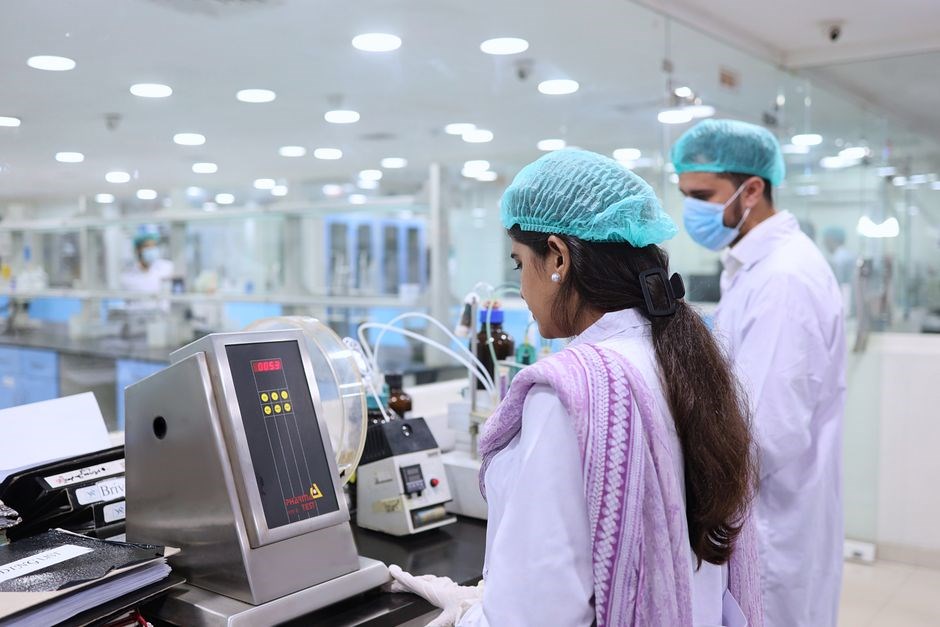
Disassemble the stainless‑steel hopper and piston, rinse with warm water and food‑grade detergent, then scrub the thickened piston to remove residue. Dry all parts, re‑assemble, and run a test fill to ensure no leaks. Perform this routine weekly to keep the machine clean and efficient. Check seals tight!!.
Disassembly for Cleaning
Begin by powering off the machine and disconnecting the power supply. Remove the hopper cover by loosening the four corner screws at the base of the hopper, then lift the hopper away to drain the liquid into a container. Detach the piston rod by sliding it out of the piston housing; the thickened piston should slide smoothly thanks to the stainless‑steel construction. Unscrew the piston head from the rod with a hex key, inspect for residue, and clean the grooves with a soft brush. Re‑assemble the piston head onto the rod, ensuring a snug fit, then re‑insert the piston rod into the housing, aligning the guide pins with the corresponding slots. Tighten the rod locking screws to secure the piston in place. Replace the hopper cover, tightening the corner screws firmly. Verify that all components are properly seated and that there are no loose parts before re‑starting the machine. This systematic disassembly routine guarantees thorough cleaning and prolongs the machine’s operational life.
After re‑assembly, perform a test fill with water to confirm piston movement and hopper seal integrity. If any leakage occurs, tighten the gasket or adjust piston alignment. Clean the piston rod’s internal threads with a soft brush and apply a food‑grade silicone grease to reduce wear. Record the cleaning date and operator in a log to track maintenance history and ensure compliance with hygiene regulations.
Keep the machine in a clean area store it covered when not in use to avoid dust accumulation and maintain hygiene standards!?
Preventing Plugging
To keep a manual bottle filling machine running smoothly, regular inspection of the piston, piston rod, and hopper interior is essential. The thickened piston design reduces the risk of clogging, but liquids with high viscosity or particulate matter can still deposit on the piston face or inside the hopper. Start each shift by rinsing the hopper with warm water and a mild detergent, then run a few empty cycles to flush out any residual solids. Use a soft‑bristle brush to scrub the piston shaft and the internal walls of the hopper, paying particular attention to the grooves where the piston contacts the housing. After cleaning, rinse thoroughly to remove detergent residues that could attract dust or form a film. Re‑assemble the piston head and rod, ensuring that the guide pins are aligned and that the piston head sits flush against the rod; a misaligned head can create uneven pressure and promote plugging. Periodically inspect the gasket around the hopper opening for wear or deformation; a compromised seal can allow liquid to seep into the piston chamber, carrying debris with it. Replace any worn gaskets immediately. Finally, maintain a clean work environment: keep the machine area free of dust, and store the machine in a covered enclosure when not in use. By combining routine cleaning, proper lubrication, and vigilant gasket inspection, operators can significantly reduce the likelihood of plugging and extend the machine’s service life. The machine remains reliable when operators follow these preventive measures consistently, ensuring smooth operation and minimal downtime. Regular cleaning schedules, proper lubrication, and vigilant gasket checks are the cornerstone of a plug‑free environment, allowing the device to perform at peak efficiency over extended periods. By integrating these practices into daily routines, operators can maintain optimal flow, reduce maintenance costs, and safeguard product quality.

Common Applications and Industries
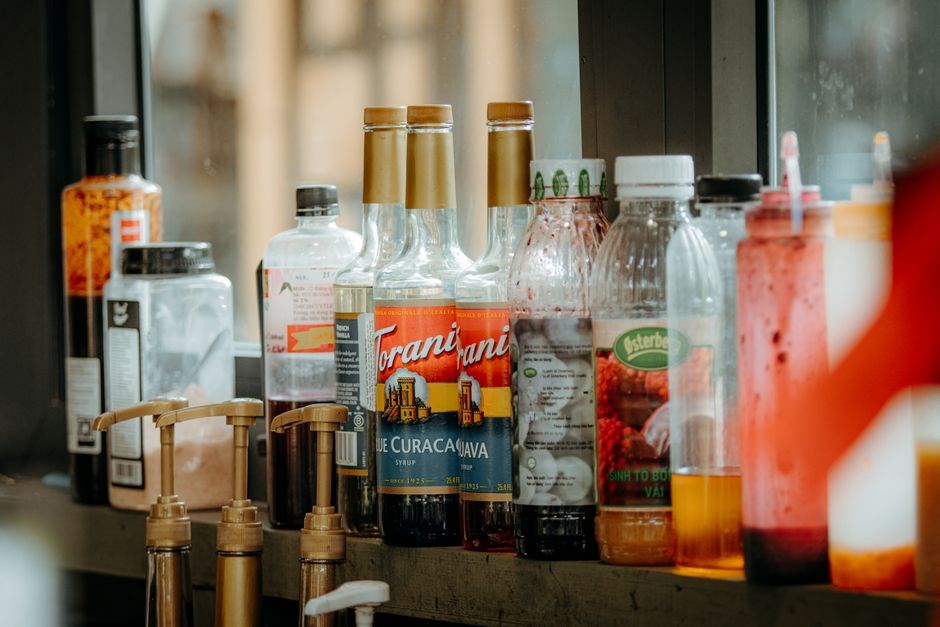
Manual bottle filling machines are favored in compact production where precision and quality are paramount. In the dairy sector, they efficiently fill milk, cream, and yogurt into 5‑ to 100‑ml bottles, preserving quality while preventing contamination. Beverage manufacturers use them for effervescent water, juice, and tasting drinks, leveraging the stainless‑steel hopper to maintain hygiene and avoid cross‑contamination. Cosmetic producers rely on these fillers for shampoos, conditioners, lotions, and serums, as the thickened piston ensures smooth flow of viscous formulas without clogging. The pharmaceutical industry employs them for liquid medications, syrups, and oral solutions, benefiting from precise volume adjustment and the ability to handle sterile liquids. Honey processors and specialty food producers also use manual fillers to dispense honey, sauces, and condiments, taking advantage of the machine’s easy disassembly for thorough cleaning. Small craft breweries and kombucha makers choose manual fillers to package small volumes of fermented beverages, ensuring consistent dosing and reducing waste. In addition, the machine’s adaptability makes it suitable for laboratory settings, where researchers need to transfer limited volumes of reagents or samples accurately. Across all these applications, the machine’s food‑grade 304 stainless‑steel construction, 11.5‑liter hopper capacity, and adjustable volume range provide a reliable, hygienic, and versatile solution for diverse liquid filling needs. high quality standards and safety!!!.!!??