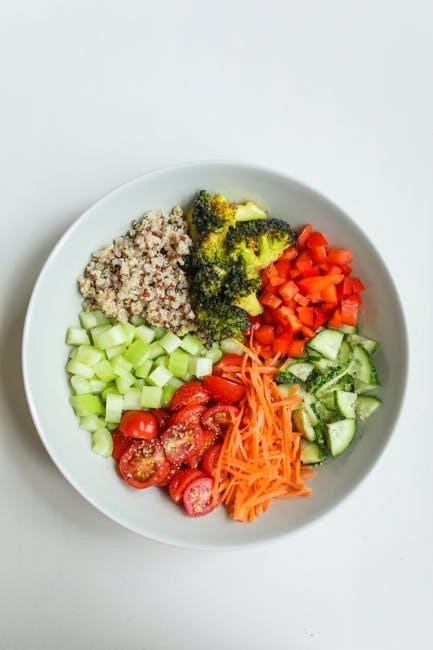
Embarking on a nutritional journey? A 1700 calorie meal plan offers a balanced approach, providing detailed examples and recipes for a successful 28-day system.
What is a 1700 Calorie Diet?
A 1700 calorie diet is a meal plan designed around consuming approximately 1700 calories per day. This intake level can be a beneficial starting point for individuals aiming to manage their weight, whether it’s for weight loss, maintenance, or even gentle gain, depending on activity levels and individual metabolism.
It’s considered a moderate calorie level, offering enough energy for daily activities while potentially creating a calorie deficit for those looking to shed pounds. Many find it sustainable as it doesn’t involve drastic restrictions, allowing for a variety of wholesome, nourishing meals and snacks.
Successfully following a 1700 calorie plan often involves mindful portion control and prioritizing nutrient-dense foods. Resources like downloadable PDF meal plans can simplify the process, providing structure and recipe ideas to ensure you stay on track and meet your nutritional needs.
Benefits of a 1700 Calorie Meal Plan
Adopting a 1700 calorie meal plan offers numerous advantages for overall health and wellness. Primarily, it supports weight management by creating a calorie deficit, encouraging the body to utilize stored fat for energy. This approach, however, isn’t about deprivation; it’s about balanced nutrition.
The focus on wholesome foods – prioritizing protein and fiber – promotes satiety, reducing cravings and preventing overeating. This leads to more consistent energy levels throughout the day, improving focus and productivity. Furthermore, a well-structured plan ensures adequate nutrient intake, supporting vital bodily functions.
Utilizing resources like a readily available PDF meal plan simplifies implementation, removing the guesswork from meal preparation. This ease of use contributes to long-term adherence, making it a sustainable lifestyle change rather than a temporary fix.
Who is This Meal Plan For?
A 1700 calorie meal plan is ideally suited for individuals aiming to maintain their current weight or achieve moderate weight loss. It’s particularly effective for those with a moderately active lifestyle, requiring a balanced intake to fuel daily activities. This plan isn’t a one-size-fits-all solution, but a flexible framework.
Individuals seeking to improve their dietary habits and establish a healthier relationship with food will also benefit. The structured approach, often available as a convenient PDF, simplifies meal planning and grocery shopping. It’s also beneficial for those wanting to increase their protein intake, supporting muscle maintenance and satiety.
However, consulting a healthcare professional or registered dietitian is crucial before starting any new diet, especially for individuals with pre-existing health conditions.

Understanding Macronutrients
Macronutrient balance is key! A successful 1700 calorie plan prioritizes protein and fiber for fullness, aiding weight management and reducing cravings effectively.
Protein Intake (Approximate Grams)
Prioritizing protein is crucial within a 1700 calorie framework, supporting satiety and muscle maintenance during weight management. While individual needs vary based on activity level and body composition, a general guideline suggests aiming for approximately 90-120 grams of protein daily.
This intake helps preserve lean mass and boosts metabolism. Incorporate lean protein sources into each meal, such as chicken breast, fish, beans, lentils, tofu, or Greek yogurt. Distributing protein evenly throughout the day optimizes absorption and utilization. Remember, hitting your protein goals isn’t just about numbers; it’s about feeling fuller for longer and reducing unwanted cravings.
Adjusting protein intake based on your personal response and consulting with a nutrition professional can further refine your plan for optimal results.
Carbohydrate Intake (Approximate Grams)
Carbohydrates fuel your body, but portion control is key within a 1700 calorie plan. Aim for roughly 150-200 grams of carbohydrates daily, prioritizing complex carbohydrates over simple sugars. These complex carbs provide sustained energy and essential nutrients.
Excellent choices include whole grains like quinoa and brown rice, starchy vegetables such as sweet potatoes, and fruits rich in fiber. Building nutrient-dense plates with these options supports weight loss and overall health. Be mindful of portion sizes to stay within your calorie target.
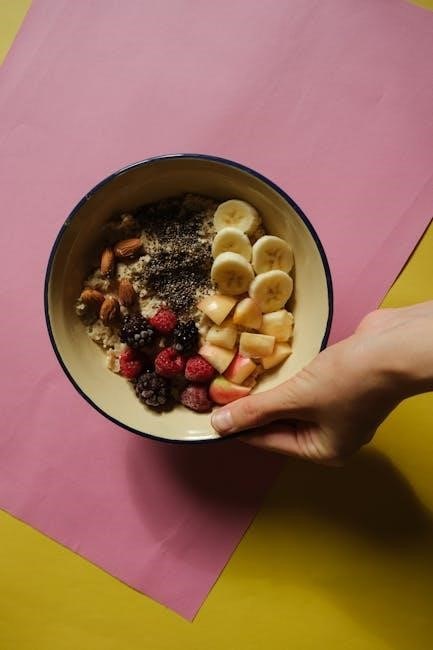
Focus on carbohydrates that contribute to fullness and minimize processed foods and sugary drinks. Adjust intake based on activity levels and individual tolerance, always striving for a balanced approach.
Fat Intake (Approximate Grams)
Healthy fats are crucial for hormone production and nutrient absorption, even within a calorie-controlled plan. For a 1700 calorie diet, aim for approximately 50-65 grams of fat per day. Prioritize unsaturated fats found in sources like avocados, nuts, seeds, and olive oil.
These fats support heart health and provide sustained energy. Incorporate them strategically into your meals, remembering that fats are calorie-dense. Limit saturated and trans fats, commonly found in processed foods and red meat.
Building nutrient-dense plates includes a moderate amount of healthy fats, contributing to satiety and overall well-being. Adjust intake based on individual needs and activity levels, always focusing on quality over quantity.

Sample 7-Day 1700 Calorie Meal Plan
Discover a week of delicious, balanced meals! This plan provides daily breakdowns, offering examples of meals and snacks to support your 1700 calorie goals.
Day 1: Meal Breakdown
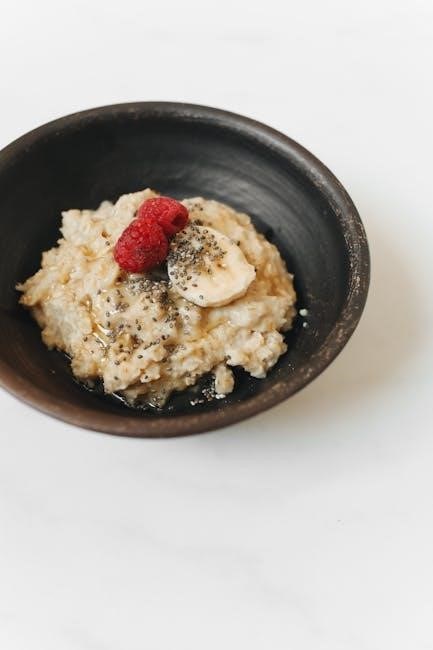
Start your journey with a nourishing day! Begin with a breakfast of oatmeal (½ cup dry) with berries (½ cup) and a tablespoon of nuts – approximately 300 calories. For lunch, enjoy a large salad with 4oz grilled chicken, mixed greens, vegetables, and a light vinaigrette dressing, totaling around 400 calories.
A mid-afternoon snack could be a Greek yogurt (1 cup) with a small piece of fruit (apple or orange) – roughly 150 calories. Dinner features 4oz baked salmon with ½ cup quinoa and 1 cup steamed broccoli, providing about 550 calories.
Finally, a small evening snack of air-popped popcorn (3 cups) can satisfy any lingering cravings for around 200 calories. Remember to adjust portion sizes slightly to fit your individual needs and preferences, aiming for a total of approximately 1700 calories throughout the day. Hydration is key – drink plenty of water!
Day 2: Meal Breakdown
Fuel your body with another balanced day! Kickstart your morning with two scrambled eggs with spinach and a slice of whole-wheat toast – around 350 calories. Lunch should consist of a turkey breast sandwich on whole-grain bread with lettuce, tomato, and a side of carrot sticks, totaling approximately 450 calories.
An afternoon snack of a small handful of almonds (about 23) and an orange provides roughly 200 calories. For dinner, savor 4oz of lean ground beef stir-fry with brown rice (½ cup) and mixed vegetables, aiming for 500 calories.
Conclude the day with a light snack of cottage cheese (½ cup) – about 100 calories. Remember to prioritize nutrient-dense foods and adjust portions as needed to maintain your 1700 calorie goal. Consistent hydration throughout the day is also crucial for optimal health.
Day 3: Meal Breakdown
Continue your progress with a nourishing day! Begin with oatmeal (½ cup dry) prepared with skim milk and topped with berries – approximately 300 calories. For lunch, enjoy a large salad with grilled chicken (4oz), mixed greens, and a light vinaigrette dressing, totaling around 400 calories.
An afternoon snack of a Greek yogurt (6oz) with a sprinkle of cinnamon offers roughly 150 calories. Dinner features baked salmon (4oz) with roasted sweet potatoes (1 medium) and steamed broccoli, aiming for 550 calories.
Finish the day with a small apple and a tablespoon of peanut butter – about 200 calories. Prioritize whole, unprocessed foods and remember to drink plenty of water throughout the day to support your 1700 calorie intake and overall well-being.
Day 4: Meal Breakdown
Fuel your body with another balanced day! Start with two scrambled eggs with spinach and a slice of whole-wheat toast – around 320 calories. Lunch should be a turkey breast sandwich on whole-grain bread with lettuce, tomato, and a side of carrot sticks, totaling approximately 420 calories.
An afternoon snack of a handful of almonds (approximately 23) provides around 160 calories. For dinner, enjoy lean ground beef stir-fry with brown rice and mixed vegetables, aiming for 500 calories.
Conclude the day with a small pear and a cheese stick – about 200 calories. Remember to adjust portion sizes based on your individual needs and stay hydrated throughout the day to maximize the benefits of your 1700 calorie plan.
Day 5: Meal Breakdown
Continue your progress with a nutritious fifth day! Begin with oatmeal made with skim milk and topped with berries – approximately 300 calories. For lunch, savor a large salad with grilled chicken, mixed greens, and a light vinaigrette dressing, aiming for around 400 calories.

An afternoon snack of Greek yogurt with a drizzle of honey provides roughly 150 calories. Dinner features baked salmon with roasted sweet potatoes and steamed broccoli, totaling about 550 calories.
Finish the day with a small apple and a tablespoon of peanut butter – around 200 calories. Prioritize hydration and mindful eating to support your weight management goals within this 1700 calorie framework.
Day 6: Meal Breakdown
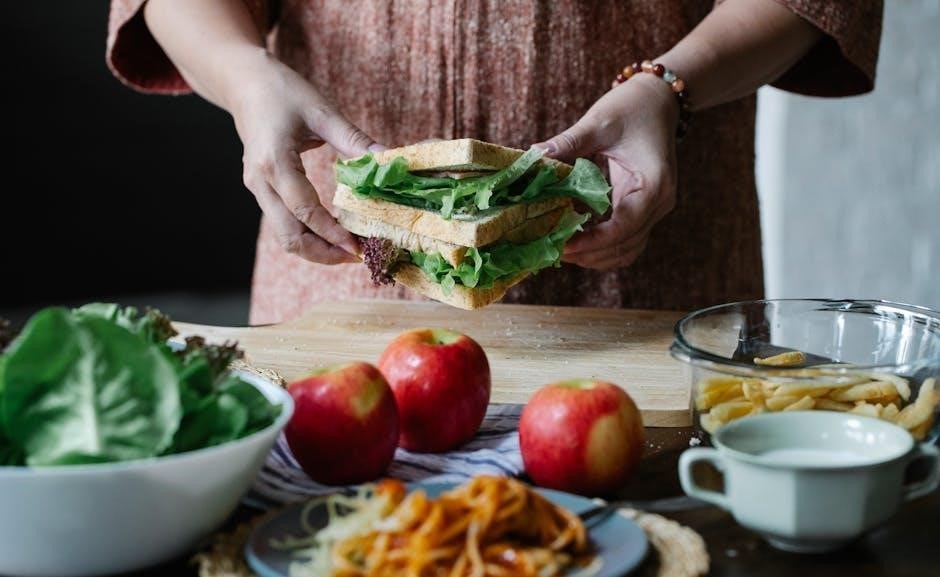
Maintain momentum with a satisfying sixth day! Start with a whole-wheat toast with avocado and a poached egg – approximately 350 calories. Lunch consists of a turkey breast sandwich on whole-grain bread with lettuce, tomato, and a side of carrot sticks, totaling around 450 calories.
Enjoy a mid-afternoon snack of a handful of almonds and an orange, providing roughly 200 calories. For dinner, prepare lean ground beef stir-fry with brown rice and plenty of vegetables, aiming for 500 calories.
Conclude the day with a small serving of cottage cheese – about 200 calories. Remember to drink plenty of water throughout the day to stay hydrated and support your 1700 calorie plan.
Day 7: Meal Breakdown
Celebrate a week of healthy choices! Begin your final day with oatmeal made with skim milk, topped with berries and a sprinkle of nuts – around 300 calories. For lunch, enjoy a large salad with grilled chicken or fish, mixed greens, and a light vinaigrette dressing, totaling approximately 400 calories.
A mid-afternoon snack of Greek yogurt with a drizzle of honey provides about 150 calories. Dinner features baked salmon with roasted sweet potatoes and steamed broccoli, aiming for 550 calories.
Finish with a small apple with a tablespoon of peanut butter – roughly 200 calories. Consistent hydration remains key throughout this 1700 calorie journey!
Tips for Success
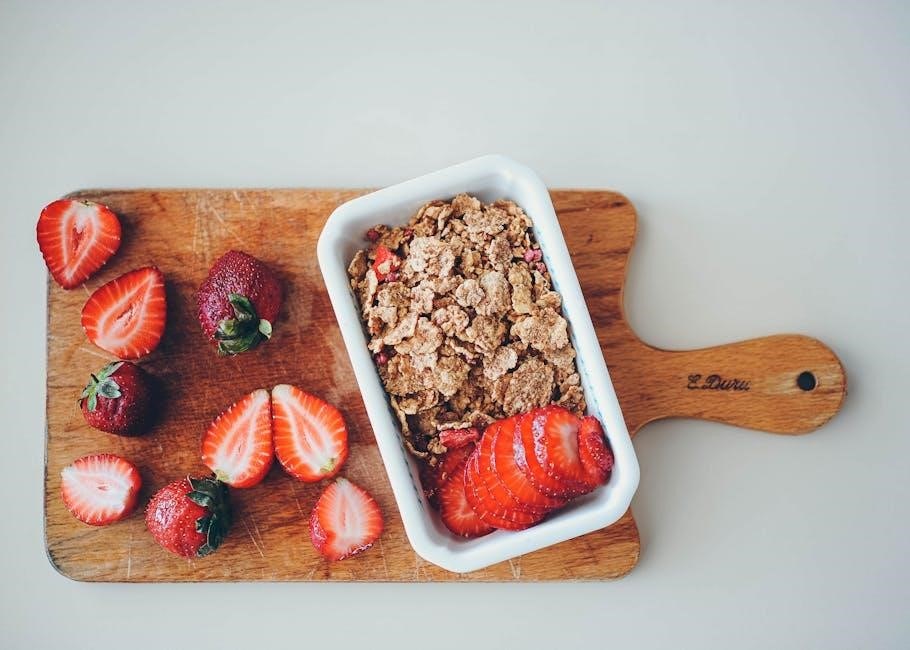
Stay committed! Prioritize grocery shopping essentials, embrace strategic meal prepping, and consistently hydrate to maximize results with your 1700 calorie plan.
Grocery Shopping List Essentials
Building a successful 1700 calorie meal plan starts with a well-stocked pantry and refrigerator. Focus on nutrient-dense foods to support your weight management and health goals. Prioritize lean proteins like chicken breast, fish, turkey, and beans – these are crucial for satiety and muscle maintenance.
Load up on a variety of colorful fruits and vegetables; they provide essential vitamins, minerals, and fiber. Don’t forget complex carbohydrates such as brown rice, quinoa, whole-wheat bread, and sweet potatoes for sustained energy. Healthy fats are also important, so include avocados, nuts, seeds, and olive oil.
Essential staples include eggs, Greek yogurt, and cottage cheese for protein-packed breakfasts and snacks. Stock up on spices and herbs to add flavor without extra calories. Finally, consider purchasing pre-cut vegetables or frozen options to save time during meal preparation. A prepared list ensures you stay on track!
Meal Prep Strategies
Successfully navigating a 1700 calorie meal plan hinges on efficient meal preparation. Dedicate a few hours each week to prepping ingredients or entire meals. Start by choosing one or two days for bulk cooking – roasting vegetables, grilling proteins, and cooking grains. Portion out meals into individual containers for easy grab-and-go lunches and dinners.
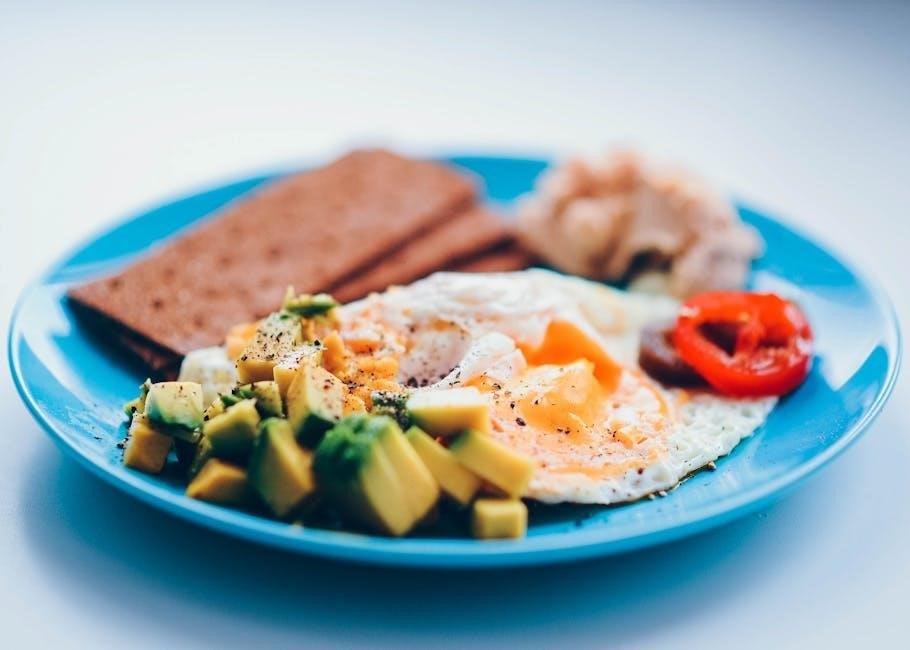
Pre-chop vegetables and fruits to have healthy snacks readily available. Prepare overnight oats or pre-portion yogurt with berries for quick breakfasts. Utilize freezer-friendly meals like soups, stews, and casseroles for busy weeknights.
Don’t underestimate the power of pre-cooked proteins; they can be added to salads, wraps, or stir-fries. Proper storage is key – use airtight containers and label everything with the date. Consistent meal prepping minimizes impulsive unhealthy choices and keeps you aligned with your goals.
Staying Hydrated
Adequate hydration is paramount when following any meal plan, especially a 1700 calorie regimen. Water plays a crucial role in metabolism, digestion, and overall well-being. Aim to drink at least eight glasses of water daily, and increase intake with physical activity.
Carry a reusable water bottle as a constant reminder to sip throughout the day. Infuse water with fruits like lemon, cucumber, or berries for added flavor and enjoyment. Consider unsweetened herbal teas as a hydrating alternative.
Be mindful that thirst can sometimes be mistaken for hunger, leading to unnecessary snacking. Prioritize water intake before and during meals to promote fullness and aid digestion. Proper hydration supports energy levels and helps optimize the benefits of your healthy eating plan.
Resources & Downloadable PDF
Discover readily available tools! Explore printable 1700 calorie meal plans and custom generators, or seek guidance from a nutrition coach for personalized support.
Finding Printable 1700 Calorie Meal Plan PDFs
Numerous online resources offer downloadable 1700 calorie meal plan PDFs, providing a convenient and organized way to follow your dietary goals. These PDFs typically include a seven-day meal breakdown, complete with breakfast, lunch, dinner, and snack suggestions. They often detail calorie counts and macronutrient information for each meal, ensuring you stay within your target range.
Many websites specialize in diet plans and offer free or premium PDF downloads. Searching for “1700 calorie meal plan PDF” will yield a variety of options. Remember to preview the plan to ensure it aligns with your preferences and dietary needs. Some PDFs are designed for specific goals, such as high-protein intake or weight loss, while others offer a more general approach. Consider factors like recipe complexity and ingredient availability when selecting a plan. Utilizing a printable PDF allows for easy tracking and modification, empowering you to take control of your nutrition.
Custom Meal Plan Generators
For a truly personalized approach, explore online custom meal plan generators. These tools allow you to input your specific dietary preferences, allergies, and fitness goals to create a tailored 1700 calorie plan. Many generators offer options to adjust macronutrient ratios – protein, carbohydrates, and fats – to suit your individual needs.
Websites like FeastGood.com provide coaching services and custom meal plans designed by registered dietitians. Other generators allow you to select from a database of recipes, automatically calculating the calorie and macronutrient content. Some even generate a corresponding grocery list, simplifying your shopping experience. While some generators are free, others may require a subscription. The benefit of a custom plan is its adaptability; you can easily swap meals or adjust portion sizes to fit your lifestyle. This ensures adherence and maximizes your chances of success with a 1700 calorie diet.
Consulting a Nutrition Coach
Navigating dietary changes can be complex; a nutrition coach offers invaluable personalized guidance. Unlike generic 1700 calorie meal plans, a coach assesses your unique metabolic rate, activity level, and health history to create a plan specifically for you. They can help you understand macronutrient needs and build sustainable eating habits.
A qualified coach, like those at FeastGood.com, provides accountability and support, addressing challenges and adjusting the plan as needed. They can also help you decipher confusing nutrition information and avoid restrictive dieting. While a 1700 calorie PDF provides a starting point, a coach ensures it aligns with your individual goals – whether weight loss, muscle gain, or overall health improvement. Investing in professional guidance can significantly increase your success rate and foster a healthier relationship with food, moving beyond simply following a plan to understanding why it works for you.