Hypertherm Powermax 600 Operator Manual: A Comprehensive Plan
This manual provides detailed instructions for safe and efficient operation‚ maintenance‚ and troubleshooting of the Hypertherm Powermax 600 plasma cutting system.
The Hypertherm Powermax 600 is a portable‚ versatile‚ and powerful plasma cutting system designed for a wide range of metal cutting applications. This system excels in cutting fine to medium-thick materials‚ offering exceptional cut quality and speed. It’s frequently utilized in fabrication shops‚ construction‚ repair work‚ and even on-site installations.
This manual serves as a comprehensive guide for operators‚ maintenance personnel‚ and anyone involved with the Powermax 600. It details everything from initial setup and safe operating procedures to routine maintenance and troubleshooting common issues. Understanding the capabilities and limitations of this machine‚ as outlined within‚ is crucial for maximizing performance and ensuring a long operational lifespan. Always prioritize safety and adhere to the guidelines presented here.
Safety Precautions
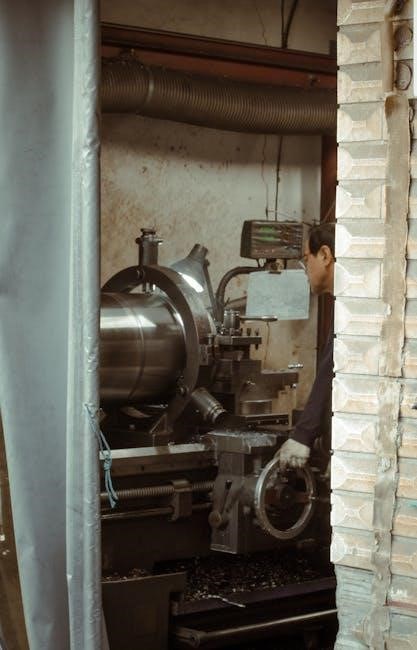
Plasma cutting presents inherent hazards‚ and strict adherence to safety protocols is paramount when operating the Hypertherm Powermax 600. This section details critical safety information to prevent injury to yourself and others. Always wear appropriate personal protective equipment (PPE)‚ including a welding helmet with the correct shade lens‚ flame-resistant clothing‚ and gloves.
Be aware of the risks associated with high voltage electricity‚ compressed air‚ and hot metal. Never operate the machine with damaged cables or components. Ensure adequate ventilation to avoid exposure to harmful fumes and gases. Read and understand all warning labels on the machine and in this manual before operation. Failure to follow these precautions could result in severe burns‚ electric shock‚ or other serious injuries.
General Safety Rules
Prior to operating the Powermax 600‚ thoroughly inspect the work area for flammable materials‚ ensuring a clear and safe cutting environment. Keep bystanders at a safe distance – a minimum of 25 feet – and establish a designated safety perimeter. Never cut containers that may have held flammable substances without proper purging and preparation.
Maintain a clean and organized workspace to prevent trips and falls. Always disconnect the power supply before performing any maintenance or replacing parts. Be mindful of hot surfaces and flying sparks; allow materials to cool before handling. Avoid operating the machine in wet or damp conditions. Regular safety checks and a proactive approach are crucial for preventing accidents.
Electrical Safety
The Powermax 600 operates on high-voltage electricity; extreme caution is essential. Always ensure the power cord is properly grounded and free from damage before connecting to a power source. Never operate the machine with a damaged cord or plug. Avoid contact with live electrical parts‚ and never work on the machine while it’s plugged in unless specifically instructed for maintenance.
Inspect the work cable and ground clamp regularly for wear and tear‚ replacing them immediately if damaged. Do not use the machine in areas where electrical hazards exist‚ such as near water or conductive materials. Disconnect the power supply before making any electrical connections or disconnections. Qualified personnel should perform all electrical repairs.
Fume and Gas Safety
Plasma cutting produces fumes and gases that can be hazardous to your health. Adequate ventilation is crucial when operating the Powermax 600. Always cut in a well-ventilated area or use a local exhaust ventilation system to remove fumes from the breathing zone. Avoid breathing fumes‚ as they can contain metal particles and harmful gases.
Wear appropriate respiratory protection‚ such as a respirator‚ when ventilation is insufficient. Be aware of potential flammable gases and ensure no flammable materials are present near the cutting area; Never cut in confined spaces without proper ventilation and gas monitoring. Follow all applicable safety regulations regarding fume and gas exposure.
System Components & Identification
The Hypertherm Powermax 600 system comprises several key components working in unison. These include the Powermax 600 power source itself‚ responsible for converting electrical energy into a plasma arc. A dedicated plasma torch‚ designed for precise cutting‚ is essential. An air compressor delivering clean‚ dry compressed air is also vital for the process.
Additionally‚ the system requires a work cable with a ground clamp for establishing a complete electrical circuit. Familiarize yourself with the location and function of all indicators‚ controls‚ and connection points on the power source and torch. Proper identification of each component ensures safe and effective operation and maintenance.
Powermax 600 Unit Overview
The Powermax 600 power source is a robust‚ portable unit designed for demanding cutting applications. Its front panel features a digital display indicating amperage‚ voltage‚ and error codes. The main power switch‚ circuit breaker‚ and pilot arc control are also located here. Rear panel connections include air inlet‚ power input‚ and remote control interface (if equipped).
Internally‚ the unit houses the inverter‚ high-frequency starter‚ and cooling system. A cooling fan ensures optimal operating temperature. The Powermax 600 utilizes advanced inverter technology for stable arc performance and energy efficiency. Understanding the layout and function of these key areas is crucial for safe operation and effective troubleshooting.

Torch Identification & Parts
The Powermax 600 torch is a consumable-based system‚ requiring regular inspection and replacement of parts. Key components include the torch head‚ electrode‚ swirl ring‚ nozzle‚ and retaining cap. The torch head houses the electrode and swirl ring‚ directing the plasma arc. The nozzle focuses the arc for precise cutting.

Different torch styles are available (e.g.‚ standard‚ extended)‚ each suited for specific applications. Proper identification of each part is vital for correct installation and maintenance; Regularly check for wear and damage‚ particularly on the electrode and nozzle. Refer to the parts diagram for accurate identification and ordering of replacement components. Maintaining a stock of consumables minimizes downtime.
Air Compressor & Dryer Requirements
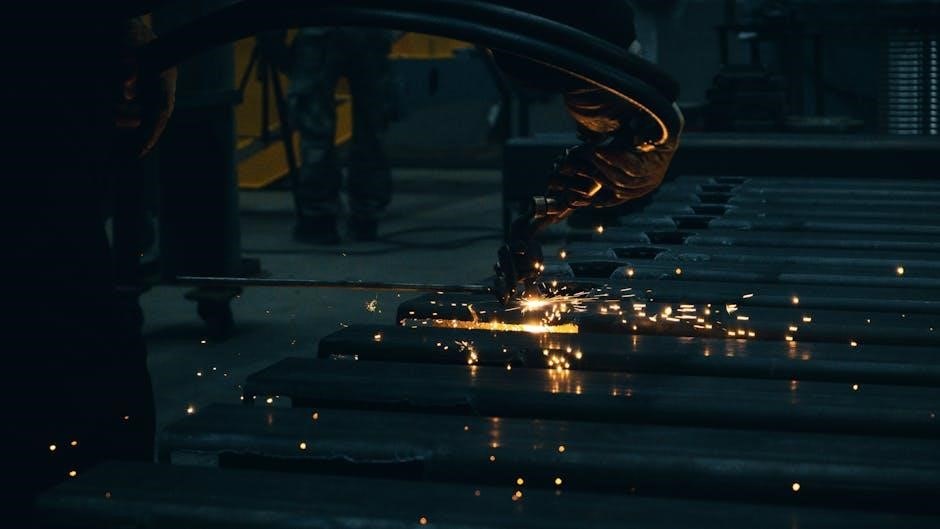
The Powermax 600 requires a consistent supply of clean‚ dry compressed air for optimal performance. A compressor delivering at least 15 CFM (cubic feet per minute) at 90 PSI is generally recommended‚ though specific requirements vary with amperage. Moisture in the air line significantly reduces consumable life and cut quality.
Therefore‚ a high-efficiency air dryer is essential. Desiccant dryers are preferred over refrigerated dryers for consistently dry air. Regularly drain the air compressor tank and check the air dryer’s moisture trap. Use proper filtration to remove oil‚ water‚ and particulate matter. Ensure air lines are appropriately sized to avoid pressure drop.
Setting Up the Powermax 600
Proper setup is crucial for safe and effective operation of the Powermax 600. Begin by ensuring the unit is placed on a stable‚ non-flammable surface with adequate ventilation. Before connecting anything‚ verify the input voltage matches your power supply. Next‚ connect the air supply‚ ensuring the pressure is within the specified range – typically 90 PSI.
Securely attach the work cable and ground clamp to the workpiece‚ maintaining a clean connection for optimal arc starting. Double-check all connections before powering on the unit. Perform the initial power-up sequence and self-test as outlined in the manual to confirm all systems are functioning correctly.
Connecting the Air Supply
The Powermax 600 requires a clean‚ dry‚ and regulated air supply for optimal performance. Use a compressor capable of delivering at least 10 CFM at 90 PSI. Install an air dryer and filter to remove moisture and contaminants‚ preventing damage to the plasma torch and ensuring clean cuts.
Connect the air hose to the rear panel fitting‚ ensuring a tight seal to avoid leaks. Adjust the air pressure regulator on the Powermax 600 to the recommended setting for your material and cutting amperage. Periodically drain the air compressor tank to remove accumulated water. Failure to maintain a clean air supply will significantly reduce consumable life and cut quality.
Connecting the Work Cable & Ground Clamp
Proper work cable and ground clamp connection is crucial for a stable arc and safe operation. Attach the work cable securely to the workpiece as close to the cutting area as possible. Ensure the ground clamp makes clean‚ bare metal contact – remove any paint‚ rust‚ or coatings.
Use the shortest work cable length practical to minimize voltage drop and improve arc starting. Inspect the work cable and clamp for damage before each use‚ replacing any frayed or cracked components. Avoid connecting the work cable to plated or galvanized surfaces‚ as this can cause arc instability and poor cut quality. A solid ground connection is paramount for safety and performance.
Initial Power-Up & Self-Test
Before commencing operation‚ perform a thorough power-up and self-test sequence. Ensure the Powermax 600 is connected to the correct voltage supply‚ as indicated on the unit’s nameplate. Turn on the main power switch and observe the front panel display. The system will automatically initiate a self-test‚ checking critical components like the high-frequency start circuit and gas solenoid.
Pay close attention to any error messages displayed during the self-test; consult the troubleshooting section if errors occur. Verify that the cooling fan is operating and that the gas flow indicator shows proper pressure. A successful self-test confirms the system is ready for operation. Do not attempt to cut if the self-test fails.
Operating Procedures
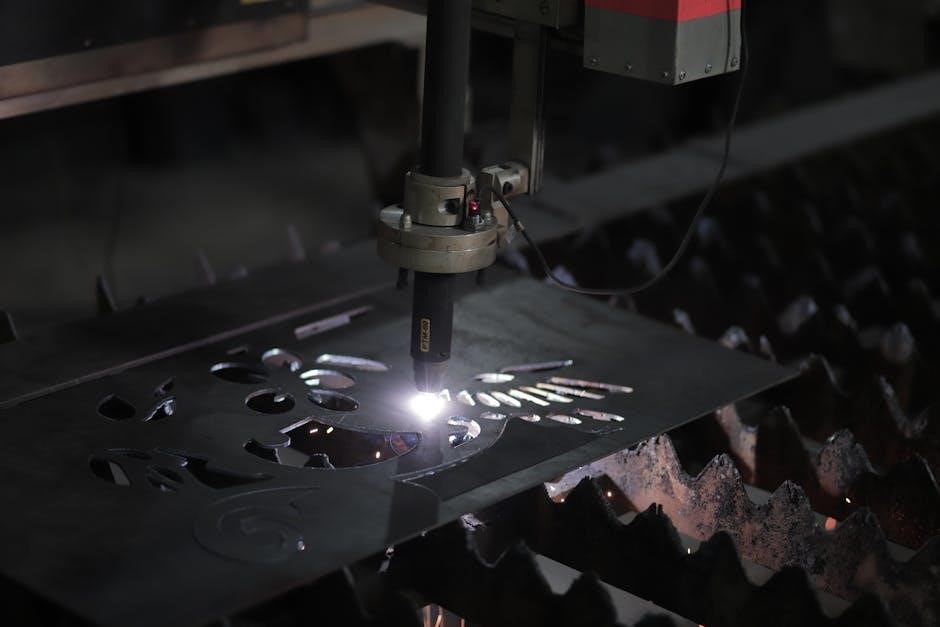
Proper operating procedures are crucial for achieving clean cuts and maximizing the lifespan of your Powermax 600. Always wear appropriate personal protective equipment (PPE)‚ including a welding helmet‚ gloves‚ and fire-resistant clothing; Before initiating a cut‚ double-check your material thickness and select the corresponding amperage and air pressure settings from the cutting charts provided.
Position the torch perpendicular to the workpiece for straight cuts‚ and adjust the angle for bevels. Maintain a consistent travel speed and standoff distance. Listen for a stable arc sound – fluctuations indicate incorrect settings or technique. Regularly inspect the torch and consumables for wear‚ and replace them as needed to maintain optimal performance.
Selecting the Correct Cut Settings
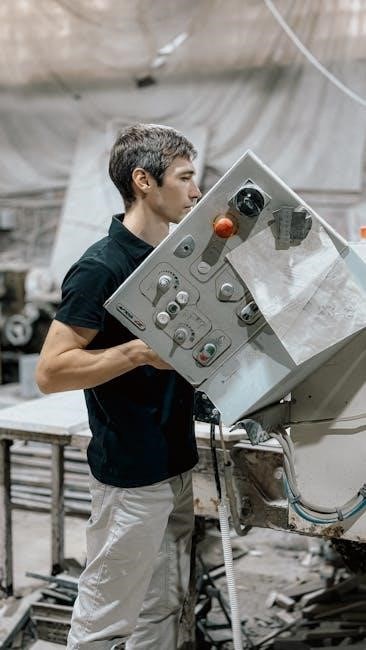
Accurate cut settings are paramount for quality and efficiency. Refer to the comprehensive cutting charts included in this manual‚ categorized by material type and thickness. These charts provide recommended amperage‚ voltage‚ and air pressure settings for optimal results. Always start with the suggested settings and make minor adjustments based on your specific application and material condition.
Consider the joint type (bevel‚ pierce‚ etc.) when selecting settings. Thicker materials generally require higher amperage and air pressure. Insufficient amperage results in a sluggish cut‚ while excessive amperage can cause excessive dross and material distortion. Experiment with settings on scrap material before cutting your final piece.
Starting and Stopping the Arc
Initiating the arc requires a firm‚ steady hand and proper technique. With the torch positioned slightly above the workpiece‚ depress the trigger on the torch. This activates the high-frequency starting circuit‚ ionizing the air and establishing the plasma arc. Maintain a consistent standoff distance as indicated in the cutting charts.
To stop the arc‚ simply release the trigger. Avoid dwelling on the cut for an extended period after the trigger is released‚ as this can lead to increased dross and potential damage to the workpiece. A slight rearward motion while releasing the trigger can help prevent sticking. Always ensure proper grounding to facilitate a clean arc start and stop.
Cutting Techniques (Straight‚ Bevel‚ Piercing)
For straight cuts‚ maintain a consistent travel speed and standoff distance‚ guiding the torch smoothly along the cut line. Utilize a straight edge when necessary for precision. Bevel cuts require a controlled tilting of the torch body‚ maintaining the correct bevel angle throughout the cut. Practice is key to achieving consistent bevels.
Piercing involves initiating the arc above the material and then lowering the torch to penetrate the workpiece. Use a slightly higher amperage setting for piercing thicker materials. Avoid excessive dwell time during piercing to minimize slag buildup. Always prioritize safety and wear appropriate personal protective equipment during all cutting operations.
Maintenance & Troubleshooting
Regular maintenance is crucial for optimal performance and longevity of your Powermax 600. This includes daily checks of air supply lines‚ torch cleanliness‚ and consumable wear. Troubleshooting common issues like arc instability or poor cut quality often begins with verifying proper air pressure and grounding.
Inspect consumables frequently for signs of wear – a pitted or eroded electrode significantly impacts cut quality. Refer to the troubleshooting guide in this manual for specific error codes and their corresponding solutions. If issues persist‚ contact a qualified Hypertherm service technician for assistance. Prioritize safety during all maintenance and repair procedures.
Routine Maintenance Schedule
Daily: Inspect air filter for moisture and debris; clean torch cup and nozzle; check work cable connection. Weekly: Thoroughly inspect air supply lines for leaks or damage; clean the Powermax 600’s exterior; verify proper grounding. Monthly: Replace desiccant in the air dryer; inspect and clean the internal air filter; check torch lead for wear.
Every 100 hours of operation: Inspect and replace consumables (electrode‚ nozzle‚ swirl ring) as needed. Annually: Have a qualified technician perform a comprehensive system check‚ including voltage calibration and safety inspections. Maintaining this schedule ensures peak performance and minimizes downtime.
Common Troubleshooting Issues & Solutions
Problem: No arc starts. Solution: Check air pressure‚ work cable connection‚ and consumable wear. Problem: Intermittent arc. Solution: Inspect for loose connections‚ dirty consumables‚ or moisture in the air line. Problem: Poor cut quality. Solution: Verify correct cut settings‚ nozzle condition‚ and travel speed.
Problem: Unit shuts down unexpectedly. Solution: Check for thermal overload or low air pressure. Problem: Excessive spatter. Solution: Adjust cut settings or replace consumables. Always refer to the full troubleshooting guide in the appendix for detailed diagnostics and safety precautions.
Consumable Parts Replacement
Nozzle‚ electrode‚ diffuser‚ and swirl ring replacement is crucial for maintaining optimal cut quality. Always disconnect power before servicing. Use the correct wrench for each part to avoid damage. Inspect the retaining cap for wear and replace if necessary.
Proper installation is vital: ensure electrodes are fully seated‚ nozzles are clean‚ and swirl rings are correctly oriented. Refer to the parts diagram for correct component placement. Regularly scheduled replacement‚ based on usage‚ extends the life of your torch and ensures consistent performance. Dispose of used consumables responsibly.
Advanced Features & Settings
The Powermax 600 offers customizable settings for experienced operators. Voltage control allows fine-tuning arc characteristics for specific materials and thicknesses‚ optimizing cut speed and quality. Torch angle adjustment impacts cut edge geometry‚ enabling bevel cuts and improved visibility.
For models equipped with remote controls‚ explore features like amperage adjustment and arc starting/stopping from a distance‚ enhancing safety and workflow. Experiment with these settings in a controlled environment to understand their effects. Consult the advanced settings guide for detailed explanations and recommended parameters for various applications.
Voltage Control & Optimization
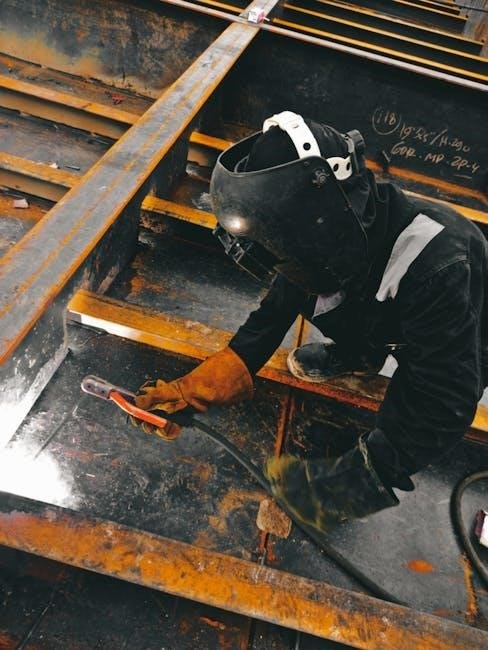
Adjusting the output voltage on the Powermax 600 directly influences arc length and energy concentration. Higher voltages generally create a wider‚ softer arc‚ suitable for less conductive materials or thicker plates. Lower voltages produce a focused‚ intense arc‚ ideal for precise cuts on thinner materials.
Optimal voltage settings depend on material type‚ thickness‚ and cutting speed. Start with recommended settings in the cut charts and fine-tune based on observed cut quality. Watch for signs of excessive spatter or undercut‚ indicating incorrect voltage. Proper voltage optimization maximizes cut speed‚ minimizes consumable wear‚ and ensures clean‚ accurate results.
Torch Angle Adjustment
The Powermax 600 torch allows for adjustable cutting angles‚ crucial for achieving desired bevels and clean cuts. A slight drag angle (torch tilted back in the direction of travel) is generally recommended for most cutting applications‚ promoting a clean top edge.
Adjusting the angle impacts cut width and taper. A steeper angle increases cut width and taper‚ while a shallower angle reduces both. Experimentation is key to finding the optimal angle for specific materials and thicknesses. Proper angle adjustment minimizes dross formation and ensures a smooth‚ consistent cut profile‚ enhancing overall weld preparation quality.
Remote Control Operation (if applicable)
If your Powermax 600 system includes a remote control‚ it offers convenient control over amperage and arc starting/stopping from a distance. The remote typically features a potentiometer for precise amperage adjustment‚ allowing for on-the-fly modification during cutting.
Ensure the remote cable is securely connected to the Powermax 600 unit. Familiarize yourself with the remote’s functions – often including torch firing trigger‚ amperage control‚ and potentially‚ voltage adjustment. Using the remote enhances operator flexibility and productivity‚ particularly in large work areas or when precise control is needed for intricate cuts. Always refer to the remote control’s specific manual for detailed instructions.